


hari raya puasa, singapore culture, muslim festivals, cultural renewal, community bonding, fasting in singapore, gratitude practices, festive traditions singapore, renewal rituals, multiethnic celebrations
Hari Raya Puasa marks the end of Ramadan and the beginning of a deeply meaningful celebration for Muslims in Singapore. As families gather and prayers fill the mosques, the city transforms into a space of joy, forgiveness, and reflection. Yet beyond the festivities and religious significance, Hari Raya Puasa reveals values that resonate far beyond faith alone.
In Singapore’s multicultural society, this observance becomes a mirror reflecting shared human experiences—gratitude, community, and renewal. Whether you celebrate the occasion or simply live alongside those who do, its presence in the national calendar encourages everyone to pause, reflect, and connect.
This article explores how Hari Raya Puasa in Singapore offers insights into living with intention. It sheds light on the enduring relevance of cultural celebrations in a fast-paced world and uncovers the lessons that this season continues teaching—about appreciating what we have, honouring those around us, and starting anew.
Understanding the Essence of Hari Raya Puasa
Muslims in Singapore observe Hari Raya Puasa as the celebration marking the end of Ramadan. It concludes a month-long period of fasting, reflection, and spiritual discipline. In the local context, this festival serves as more than just a religious commemoration. It demonstrates how values like gratitude and unity hold relevance across cultures.
Hari Raya Puasa carries deep social significance. While spiritual in nature, its practices impact daily life and public consciousness. From early morning prayers at mosques to vibrant family visits, the entire atmosphere transforms. Singapore’s multicultural backdrop amplifies this celebration, making its lessons accessible beyond religious lines.
Preparations begin long before the actual day. Families clean homes, buy festive clothes and prepare traditional dishes. Streets in Geylang Serai and Kampong Glam light up with decorations and bustling bazaars. These activities symbolise renewal and readiness to welcome peace after a month of restraint.
The celebration brings society into collective motion. Employers adjust schedules, neighbours greet each other more often, and media platforms highlight shared values. Hari Raya Puasa reflects how a festival can foster national cohesion while remaining deeply personal.
Gratitude Rooted in Restraint and Reflection
Fasting during Ramadan prepares the mind and body for gratitude. Abstaining from food, drink, and negative habits builds empathy for those less fortunate. This spiritual discipline helps participants see life with more clarity. Hari Raya Puasa then becomes the reward, not just a break from fasting.
Practising gratitude defines the spirit of the occasion. Families begin the day with morning prayers, followed by visits to elders. Seeking forgiveness plays a central role. Children kneel before their parents, asking for pardon and offering thanks. These moments bring sincerity back into family dynamics.
Feasts follow, but the emphasis remains on appreciation. The variety of food symbolises blessings received after hardship. Every bite becomes more meaningful. Even those observing from different faiths learn the value of patience and gratefulness through these customs.
Singapore’s inclusive environment allows various communities to share in these sentiments. Cultural exchanges at work, school, or public events show how values from Hari Raya Puasa carry broader relevance. Gratitude remains a universal practice, and this celebration reinforces it on a national level.
Strengthening Family Ties and Community Bonds
Hari Raya Puasa rejuvenates connections. Family reunions become central, often drawing members from across the island. Elders receive honour and younger generations gain wisdom. These interactions go beyond festive greetings. They restore relationships sometimes strained by modern life’s pace.
The tradition of open houses plays a critical role. Homes are open to friends and neighbours regardless of faith or background. Guests enjoy delicacies such as ketupat, rendang, and kuih. Conversations flow naturally, bridging social gaps and building new friendships.
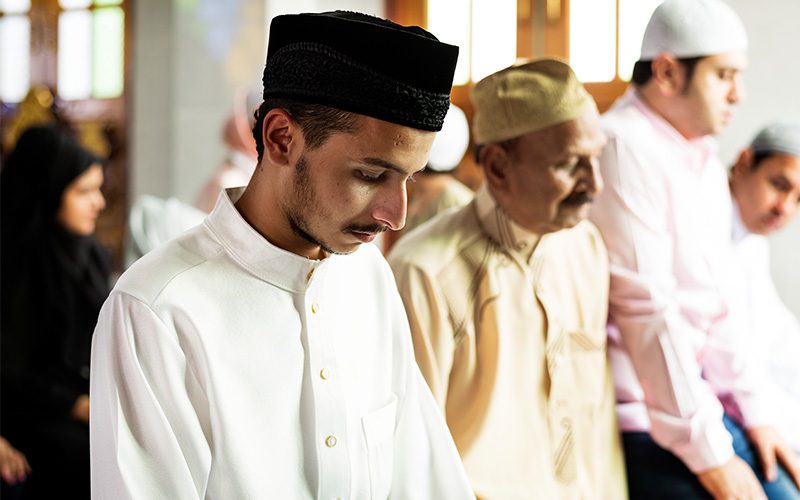
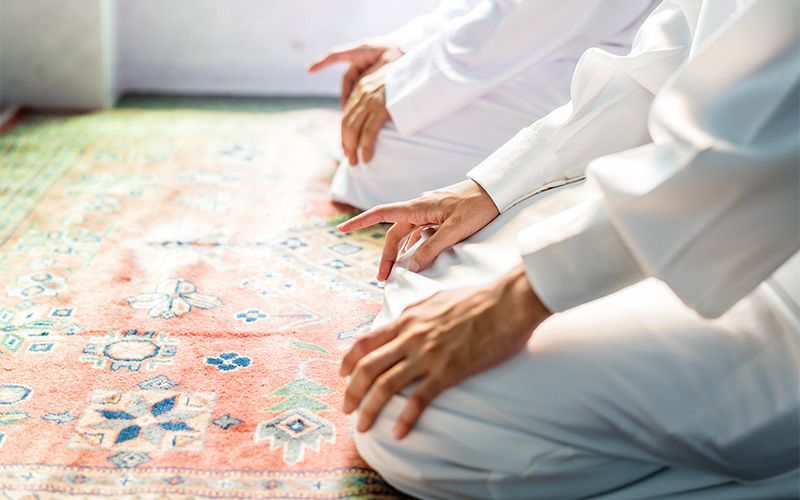
In Singapore, communal prayers in mosques serve as powerful symbols. Thousands gather at places like Sultan Mosque or Masjid Al-Falah. Despite different walks of life, the congregation moves in unison. The message is clear: community holds strength when built on a shared purpose.
Government initiatives and grassroots efforts further support this. Residents committees often host Hari Raya gatherings to foster harmony. Even in mixed-ethnic neighbourhoods, participation remains strong. These efforts underline how Hari Raya Puasa functions as a unifying force across Singapore’s diverse population.
Embracing Renewal in Everyday Life
Renewal defines the core of Hari Raya Puasa. After 30 days of fasting and self-discipline, celebrants emerge with fresh resolve. Many extend this sense of renewal beyond spiritual commitments. It influences work ethic, social interactions, and mental well-being.
People start by decluttering homes as a way to invite blessings. This symbolic cleansing often leads to practical change. Donating unused items, reorganising spaces, and settling old debts are common actions. The result is a lighter, clearer path forward.
Wearing new clothes signals a fresh beginning. The practice goes beyond appearance. It expresses confidence, respect for traditions, and optimism. Even colour choices reflect emotion—green for peace, gold for prosperity, white for purity.
The month also inspires behavioural renewal. Those overcoming bad habits during Ramadan aim to maintain progress. Whether quitting smoking or managing anger, the momentum continues post-festival. Hari Raya Puasa then becomes not an endpoint but a launchpad for better living.
Singaporeans who observe or respect the holiday adopt this mindset of renewal. It serves as a reminder that self-improvement doesn’t require grand events. Daily efforts, anchored in meaningful traditions, hold power to create lasting change.
Bridging Cultures Through Shared Traditions
Singapore’s multicultural fabric amplifies the meaning of Hari Raya Puasa. While rooted in Islamic practices, the values transcend religious boundaries. This festival invites non-Muslims to witness and participate in meaningful traditions that reinforce tolerance and unity.
Public outreach campaigns, school programmes, and corporate events help spread awareness. Malay heritage centres and mosques often hold open houses, giving residents a chance to learn firsthand about Hari Raya customs. These efforts improve mutual understanding and reduce misconceptions.
Food also becomes a powerful medium of exchange. Many Singaporeans receive festive snacks from Muslim neighbours or colleagues. Sharing kuih and satay fosters familiarity. It opens a dialogue between different backgrounds in the simplest and most human way.
Cultural harmony remains central to Singapore’s social identity. Observances such as Hari Raya Puasa allow this identity to evolve. New generations of Singaporeans, regardless of race or religion, grow up knowing these values. The festival’s lessons—respect, unity, compassion—carry forward into public life.
Participation doesn’t require full adherence. Attending an open house or greeting a neighbour with “Selamat Hari Raya” already builds a connection. These small gestures signal collective belonging, reminding everyone that diversity thrives on empathy and shared experiences.
ALSO READ: A Spiritual Journey: Exploring Singapore’s Historic Places & Temples
Lessons for Today’s Fast-Paced Society
Hari Raya Puasa counters the culture of instant gratification. Modern life rewards speed and efficiency. Fasting teaches endurance, mindfulness, and restraint—skills often lost in digital-driven routines. For 30 days, participants learn to slow down and reflect.
This intentional pause becomes transformative. Cutting back on indulgence shows how little one needs to feel fulfilled. Spending less on luxuries, avoiding gossip, or limiting social media strengthens self-discipline. These behaviours help reduce anxiety and create inner peace.
The practice of giving back also matters. Zakat Fitrah, a mandatory donation to the less fortunate, forms part of the observance. It ensures everyone can celebrate. This act instils a mindset of collective welfare, not just personal gain.
Singapore’s fast pace sometimes strains emotional well-being. Hari Raya Puasa offers a framework for managing this. By focusing on values such as gratitude and simplicity, individuals gain mental clarity. Communities benefit when people act with more patience and kindness.
The lesson is practical: real happiness comes from contribution, connection, and contentment—not consumption. As society grows more complex, these insights help build resilience and compassion. Hari Raya Puasa reminds Singaporeans how traditions still offer tools for modern life.
Sustaining Its Spirit Beyond the Festival
Though Hari Raya Puasa lasts a day, its values extend far beyond. Many continue practising restraint, giving, and reflection throughout the year. These sustained habits create stronger individuals and communities.
Businesses reflect this shift as well. Some offer flexible hours during Ramadan or support community outreach during the festive season. These gestures build corporate empathy and workplace harmony. They also encourage ethical practices rooted in values, not just profit.
In homes, parents teach children to uphold the festival’s lessons. Forgiveness remains a year-round practice, not just during celebrations. Respect for elders, care for neighbours, and awareness of blessings become part of daily habits.
Social media amplifies the spirit. Thoughtful posts about shared meals, prayer reflections, and reunion moments foster positivity. They counter online negativity and spark meaningful conversations.
Educational institutions also extend the impact. Lessons in civics and religious literacy include Hari Raya Puasa in curricula. Students learn context, not just content. This builds respectful citizens who value cultural depth.
Keeping the spirit alive requires intention. It means revisiting the purpose behind actions, not just repeating customs. When people live out these values daily, the impact of Hari Raya Puasa strengthens society as a whole.
Final Thoughts
Hari Raya Puasa in Singapore teaches more than religious observance. It nurtures unity, deepens gratitude, and encourages self-renewal. Through fasting, giving, and celebration, people across the island remember what matters: family, connection, and purpose.
Singapore’s approach reflects what makes the celebration unique. Its diversity turns this festival into a shared story. Everyone gains something—whether spiritual insight, social connection, or cultural knowledge. It proves that tradition, when rooted in meaning, can stay relevant in any era.
Discover more travel, arts and culture blogs and lifestyle tips by visiting Best SG Finds today.
