


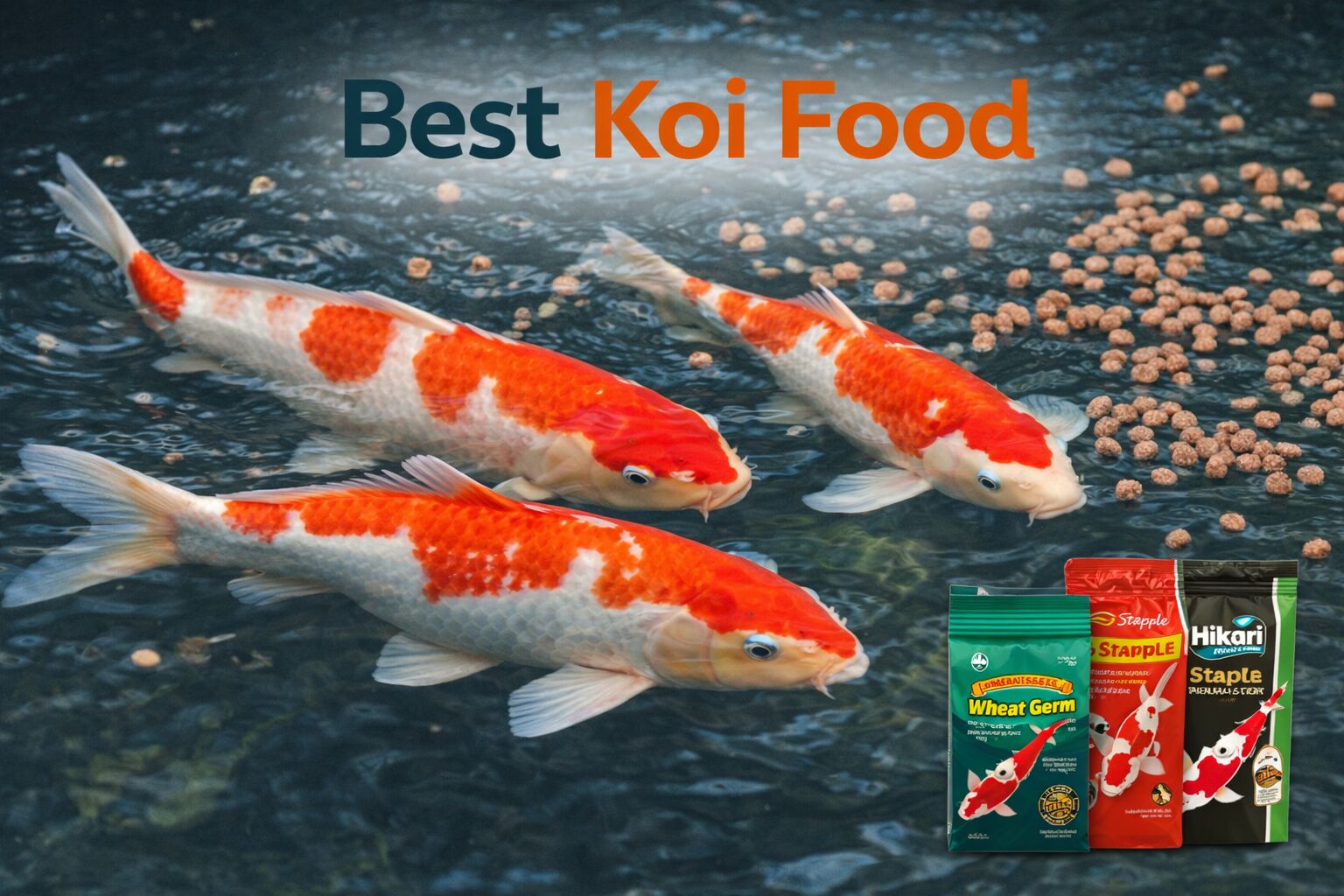
Key Takeaways
- The best koi food depends on water temperature, season, and koi age
- High quality ingredients matter more than protein percentage alone
- Floating pellets help with feeding control and pond cleanliness
- Seasonal feeding improves digestion and reduces waste
- Singapore offers many koi food options, from budget to premium brands
Introduction
When people search for the best koi food, they are usually trying to achieve one or more goals, healthy growth, brighter colour, stronger immunity, or simply cleaner water. Koi are hardy fish, but their diet has a huge impact on how they look and how well they thrive over time.
There is no single “best” food for every koi in every situation. The right choice depends on factors such as water temperature, pond size, koi age, and your long term goals. This guide explains how to choose koi food sensibly, how to feed by season, and where to buy koi food in Singapore.
Understanding What Koi Need Nutritionally
Koi are omnivores. In nature, they eat a mix of plant matter, insects, and small organisms. A good koi diet aims to replicate this balance in a controlled and digestible way.
Key nutritional components include:
- Protein for growth and muscle development
- Fats for energy
- Carbohydrates for digestion and gut health
- Vitamins and minerals for immunity and overall condition
The quality of ingredients is more important than chasing the highest protein number on the label.
Types of Koi Food and When to Use Them
Growth Formula
Growth food is higher in protein and energy. It is typically used during warmer months when koi metabolism is active.
Best used when
- Water temperature is consistently warm
- Koi are actively feeding
- You want to support body growth
Avoid overfeeding growth food in cooler water, as digestion slows down.
Colour Enhancing Food
Colour food contains natural pigments that support red and yellow colour development.
Best used when
- Koi are already healthy and growing steadily
- Water quality is stable
- Fed in moderation as part of a balanced diet
Colour food enhances existing colour, it does not create colour on its own.
Staple or Daily Maintenance Food
Staple food is designed for regular feeding and balanced nutrition. For many hobbyists, this forms the base of the koi diet.
Why it works well
- Gentle on digestion
- Suitable for daily feeding
- Supports steady health rather than rapid growth
This is often the safest option for mixed ponds and beginners.
Wheat Germ Food
Wheat germ food is easier to digest and is commonly used during cooler periods.
Best used when
- Water temperature drops
- Koi appetite slows
- You want to reduce waste and stress
Many pond keepers switch to wheat germ food during cooler months.
Floating vs Sinking Pellets
Floating Pellets
Floating pellets are the most common choice.
Benefits
- Easy to monitor how much koi are eating
- Helps prevent overfeeding
- Allows visual health checks during feeding
Sinking Pellets
Sinking pellets are sometimes used for shy koi or deeper ponds.
Things to consider
- Harder to track feeding amount
- Uneaten food can affect water quality
For most hobbyists, floating pellets are more practical.
Pellet Size Matters
Pellet size should match the size of your koi.
General guideline
- Small koi benefit from smaller pellets
- Large koi can handle medium to large pellets
- When in doubt, choose a smaller size
Proper pellet size improves digestion and reduces choking risk.
Seasonal Feeding Guide
| Season | Water Condition | Recommended Food |
|---|---|---|
| Warm months | Active metabolism | Staple or growth food |
| Transitional months | Variable feeding | Mix of staple and wheat germ |
| Cooler periods | Slow digestion | Wheat germ food |
| Very cold conditions | Minimal activity | Reduce or pause feeding |
In Singapore, water temperatures are relatively stable, but seasonal changes and rain still affect koi appetite. Adjust feeding based on behaviour, not just the calendar.
How Often and How Much to Feed
A simple rule is to feed what your koi can finish in a few minutes.
Practical tips
- Feed smaller portions more often rather than one large feeding
- Observe koi behaviour daily
- Remove uneaten food promptly
Overfeeding is one of the most common causes of poor water quality.
Common Mistakes When Choosing Koi Food
Avoid these common pitfalls
- Choosing food based only on protein percentage
- Feeding growth food year round without adjustment
- Overfeeding for faster results
- Mixing too many different foods at once
- Ignoring water quality after feeding
Consistency and observation are more effective than chasing quick results.
Where to Buy Koi Food in Singapore
Singapore has a strong koi keeping community, and koi food is widely available through several channels.
Koi Specialty Shops
Dedicated koi shops often carry premium Japanese and international brands. Staff are usually knowledgeable and can advise based on your pond setup.
Typical price range
- Entry level staple food: around SGD 30 to SGD 60 per bag
- Mid range food: around SGD 60 to SGD 120
- Premium Japanese brands: SGD 120 and above
These shops are a good choice if you want guidance and consistent quality.
Aquarium and Pet Supply Stores
Many aquarium shops stock koi food alongside other pond supplies.What to expect
- A mix of budget and mid range brands
- Convenient locations
- Limited premium options compared to specialty koi shops
Typical price range
- Budget options: around SGD 20 to SGD 40
- Mid range options: around SGD 40 to SGD 80
Online Stores and Marketplaces
Online platforms offer the widest selection and competitive pricing.
Benefits
- Easy price comparison
- Access to both budget and premium brands
- Home delivery for large bags
Typical price range
- Budget koi food: around SGD 20 to SGD 40
- Mid range food: around SGD 40 to SGD 90
- Premium food: SGD 100 and above
Always check seller reviews and storage conditions when buying online.
Choosing the Best Koi Food for Your Pond
Instead of asking what the best koi food is, it helps to ask
- What is my pond size and stocking level
- What is my water quality like
- Am I prioritising growth, colour, or long term health
- How much time do I have to observe and adjust feeding
For many pond owners, a good staple food with occasional seasonal adjustments is more effective than constantly switching brands.
Where to Buy Koi Food in Singapore (With Actual Shops and Addresses)
If you are looking for the best koi food and related pond supplies in Singapore, here are well-known places where hobbyists and pond owners shop. These range from koi specialist farms to aquarium retailers that stock a variety of koi food brands.
Koi Specialty Shops and Fish Farms
These places carry koi food, premium brands, and often give hands-on advice.
- Marugen Koi & Arowana Farm
79 Jln Bukit Merah
Singapore 150079
Specialises in koi fish and koi supplies, often stocks Japanese and international feed. - Nippon Koi Farm (Singapore)
Blk 15 Ghim Moh Road #01-06
Singapore 270015
Reputable koi farm with feeds and pond products, good for mid-to-premium koi food. - Red Summer Koi Farm
10 Jalan Tukang
Singapore 619308
Known among hobbyists for koi supplies including food and pond accessories.
Aquarium and Fish Supply Shops
These retailers have koi food alongside general fish and aquatic products:
- East Ocean Aquatic Trading Centre
22 Havelock Road
Singapore 059763
Large selection of fish and pond items, including koi food, pellets, and accessories. - Qian Hu Fish Farm (Jurong)
51 Jalan Tukang
Singapore 619266
One of the biggest aquarium and aquatic supply outlets; stocks koi food, equipment, filters, and pond accessories. - Mainland Tropical Fish Farm
132/134 Serangoon Road
Singapore 218041
Aquatic store with fish food options suitable for koi and ornamental fish. - Oh My Fish
31 Ubi Road 1 #02-05
Singapore 408694
Aquarium shop with a range of fish food, including koi feeds and supplements. - Aquatic Avenue
139 Tagore Lane
Singapore 787558
Offers pond and aquarium supplies; useful for staple koi food and feeding gear.
Neighbourhood Pet Supply Shops
Good for quick top-ups or smaller bags of koi pellets:
Pet Lovers Centre (multiple outlets)
Examples:
313@Somerset, 313 Orchard Road, Singapore 238895
Junction 8, 9 Bishan Place, Singapore 579837
Tampines Mall, 4 Tampines Central 5, Singapore 529510
These larger pet stores often carry basic koi food in standard sizes.
The Pet Safari
Blk 529B Upper Cross Street
Singapore 051529
Pet shop with fish and pond food options among other pet categories.
Online Sellers With Local Delivery (Singapore)
Many stores above also have online shops, but there are websites that specialise in pond and koi food delivery:
- Polypet Online – koi food and accessories delivered islandwide.
- Kohepets – koi and aquatic supplies online with delivery options.
- PetMall Singapore – marketplace with koi food choices.
- Carousell Singapore – local classified listings where people sell new or surplus koi food bags.
Summary Table of Actual Shops
| Shop Name | Address | What They’re Good For |
|---|---|---|
| Marugen Koi & Arowana Farm | 79 Jln Bukit Merah, Singapore 150079 | Koi specialist, premium food |
| Nippon Koi Farm (Singapore) | Blk 15 Ghim Moh Rd #01-06, Singapore 270015 | Specialist koi feed and fish |
| Red Summer Koi Farm | 10 Jalan Tukang, Singapore 619308 | Koi and pond supplies |
| East Ocean Aquatic Trading Centre | 22 Havelock Rd, Singapore 059763 | Large fish and koi food stock |
| Qian Hu Fish Farm (Jurong) | 51 Jalan Tukang, Singapore 619266 | Wide aquarium and koi food range |
| Mainland Tropical Fish Farm | 132/134 Serangoon Rd, Singapore 218041 | Fish and koi food |
| Oh My Fish | 31 Ubi Road 1 #02-05, Singapore 408694 | Aquarium and koi feed |
| Aquatic Avenue | 139 Tagore Lane, Singapore 787558 | Aquarium and pond supplies |
| Pet Lovers Centre (various) | Multiple outlets islandwide | Convenient koi food top-ups |
| The Pet Safari | Blk 529B Upper Cross Street, Singapore 051529 | Pet and fish food selection |
Tips for Buying Koi Food
- Call ahead before visiting, especially for specialty feeds or large bags.
- Ask about pellet size for your koi’s size and age.
- Check storage conditions (cool, dry space) when buying in-store.
- Compare seasonal formulas (growth vs wheat germ vs colour enhancing) depending on water temperature.
Frequently Asked Questions
Is expensive koi food always better
Not always. Ingredient quality and suitability matter more than price alone.
Can I mix different koi foods
Yes, but avoid mixing too many types at once. Keep it simple and consistent.
How do I know if my koi food is suitable
Healthy koi are active, have good appetite, clear skin, and stable growth.
Should I feed koi every day
Most koi can be fed daily when active, but feeding should reduce when appetite drops.
Does koi food affect water quality
Yes. Poor quality or overfeeding leads to more waste and cloudy water.
Conclusion
The best koi food is not a single product, but a feeding approach that matches your koi, your pond, and your environment. High quality ingredients, appropriate pellet size, seasonal adjustments, and sensible feeding habits make a bigger difference than chasing the highest protein or most expensive brand.
In Singapore, koi keepers have access to a wide range of food options through koi shops, aquarium stores, and online platforms. By focusing on consistency and observation, you can support healthy koi with good growth, vibrant colour, and stable water quality over the long term.
