


Key Takeaways
- The Hungry Ghost Festival is rooted in respect for wandering spirits.
- Many superstitions are about avoiding activities that may attract unwanted attention from spirits.
- Actions like staying out late, whistling at night, or stepping on offerings are strongly cautioned against.
- The superstitions apply especially to vulnerable groups such as children, pregnant women, or those with lower energy (like people on their period).
- Following these practices is seen as a way to maintain peace, safety, and cultural respect during the 7th lunar month.
Introduction
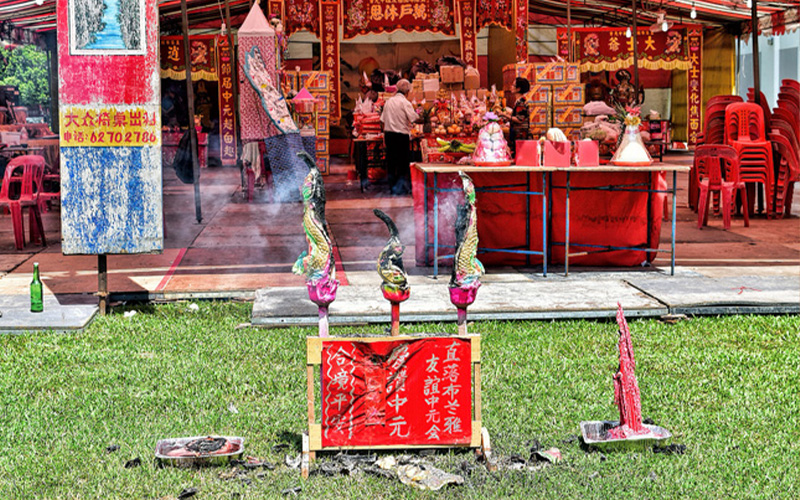
Photo credit: roots.gov.sg
Every year during the 7th lunar month, many in Singapore and across Asia observe the Hungry Ghost Festival. It is believed that during this time, the gates of the underworld open, allowing spirits to roam freely among the living. To stay safe and show respect, people follow a number of superstitions passed down through generations.
Here’s a guide to the top 20 Hungry Ghost Festival superstitions you should avoid. Whether you believe strongly in them or simply want to be respectful of cultural traditions, these practices offer insight into the values and beliefs surrounding this festival.
1. Don’t turn back when someone calls your name at night
If you hear your name being called, especially from behind, do not look back. It is said spirits may imitate familiar voices to lure the living. Turning back acknowledges them, which could invite misfortune.
2. Avoid stepping on or touching offerings
Offerings like food, drinks, and incense are meant for spirits. Accidentally disturbing them is seen as disrespectful. If it happens, apologise quickly to avoid offending unseen guests.
3. Don’t stay out late at night
Spirits are believed to roam more actively after dark. Vulnerable groups such as pregnant women, children, or those menstruating are thought to attract yin energy, making them more susceptible.
4. Don’t linger under trees or at empty bus stops
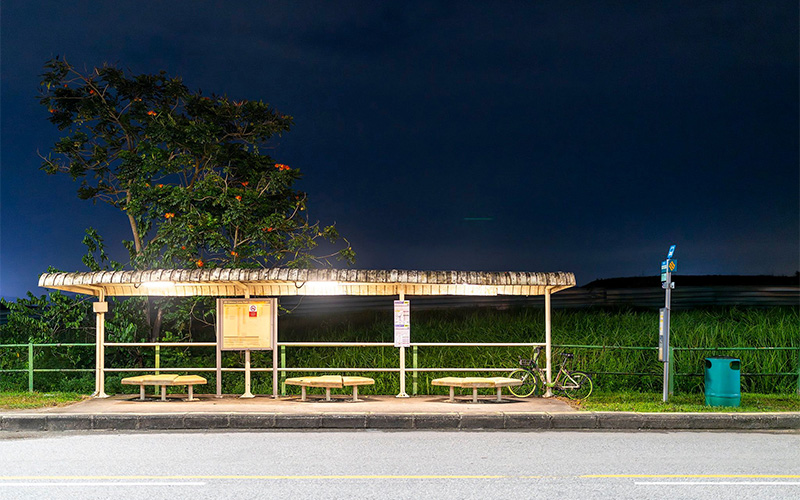
Photo credit: Darren Soh | Photographer via Facebook
Shaded areas and lonely places are considered gathering spots for spirits. Standing there, especially at night, may increase the risk of unwanted encounters.
5. Avoid hiking, trekking, or camping at night
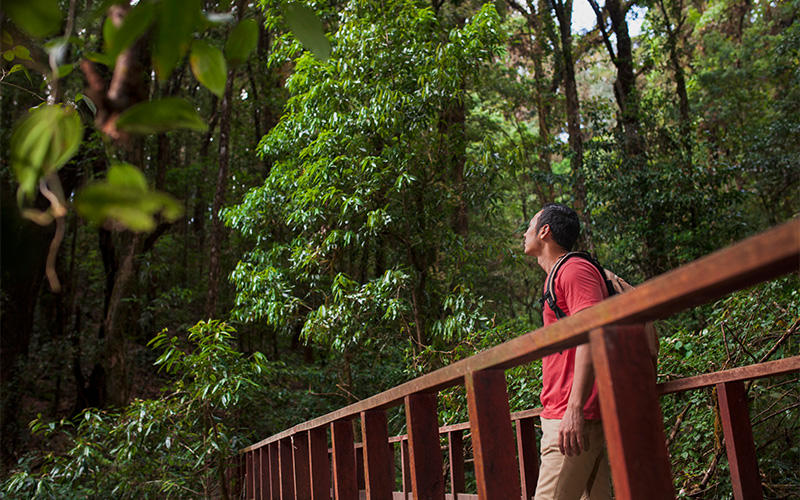
Venturing into forests or remote areas after dark is strongly discouraged. These places are said to be hotspots for spiritual activity, and people can get lost easily under such conditions.
6. Stay away from water activities at night
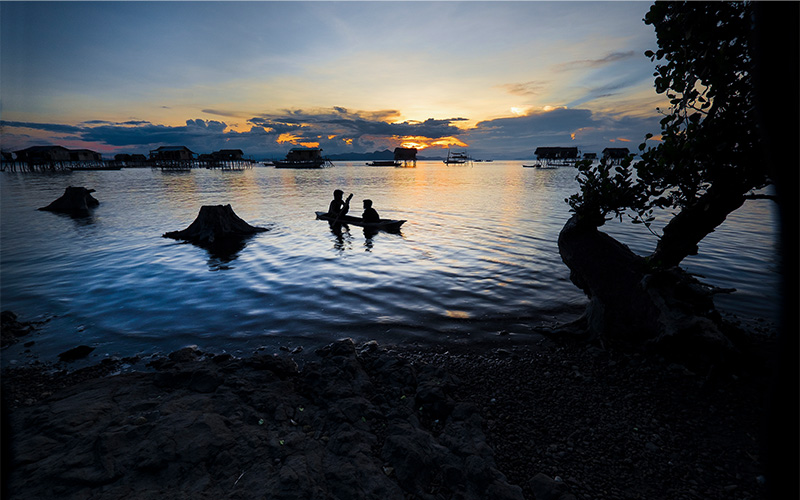
Swimming, fishing, or boating after dark is risky, as spirits of those who drowned are believed to linger, waiting to pull the living underwater.
7. Don’t whistle or sing at night

Sounds carry far in the still night, and whistling or singing is believed to attract spirits who mistake it as a call.
8. Ignore goosebumps or sudden chills

A sudden shiver or goosebumps without explanation may indicate a spirit’s presence. The best response is to remain calm and act as though nothing happened.
9. Try not to take photos after sunset
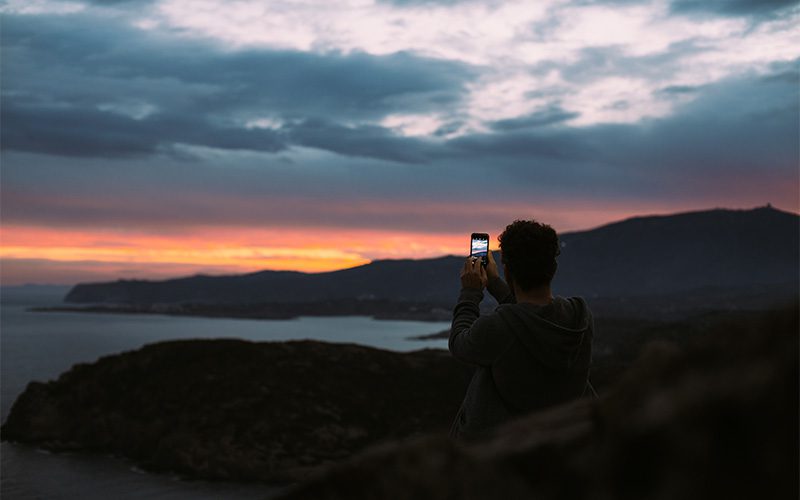
Pictures can capture more than intended. Spirits may accidentally appear, and such images are said to bring bad luck or illness.
10. Keep doors and windows closed after 6pm
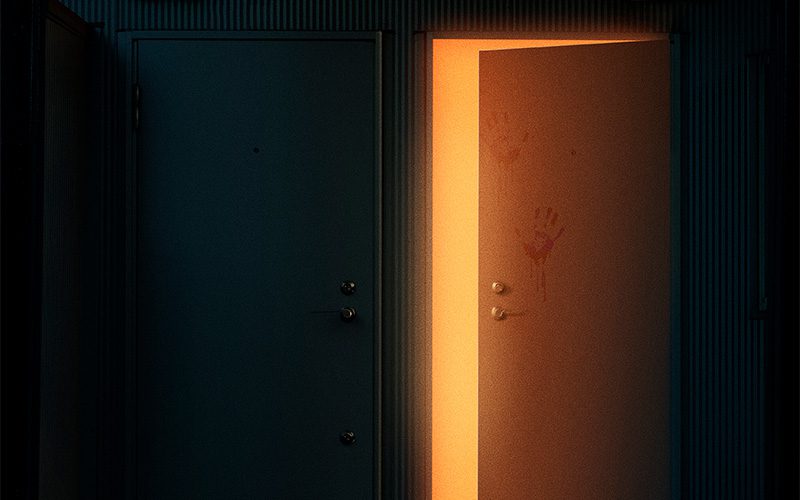
Closing doors and windows is thought to prevent wandering spirits from entering your home, creating a safe boundary between the living and the unseen.
11. Don’t acknowledge strange smells
Unusual fragrances, whether sweet or foul, may be a sign of spiritual presence. Avoid commenting or reacting to them, as acknowledgment is considered an invitation.
12. Never pick up stray money

Coins and notes on the ground are often offerings to spirits. Picking them up disrespects the ritual and may invite misfortune into your life.
13. Avoid wearing black or red at night
Black is believed to blend with yin energy, while red is said to attract spirits. Lighter colours are recommended for safety.
14. Don’t tap people on the shoulder at night

Chinese folklore teaches that humans carry three “flames” of protection—one on the forehead and one on each shoulder. Tapping someone’s shoulder may extinguish a flame, reducing their spiritual protection.
15. Refrain from sitting in the front row at getai shows
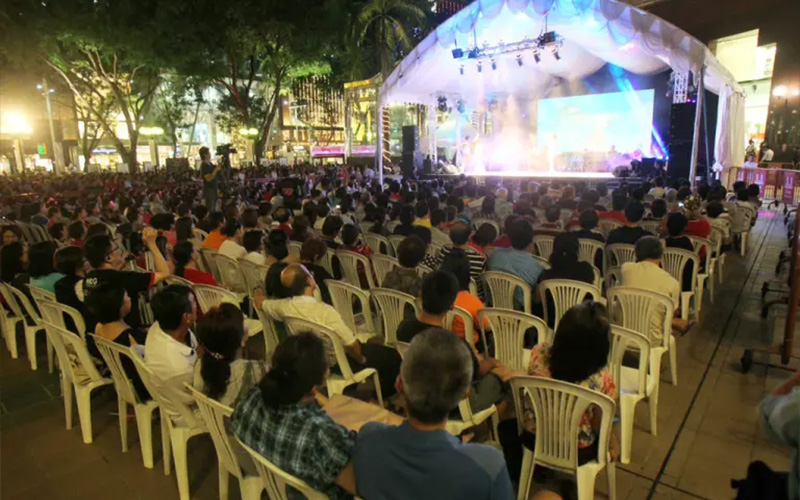
Photo credit: Today Online
Outdoor getai performances often have front-row seats reserved for spirits. Sitting there is highly disrespectful and may bring bad luck.
16. Don’t move house or renovate during this month

Big changes like moving or renovating are thought to disturb spirits and invite unnecessary trouble or bad luck.
17. Avoid weddings or major celebrations
Festivities clash with the solemn nature of the Hungry Ghost Festival. Spirits may be drawn to the joy and disrupt the occasion.
18. Don’t leave clothes hanging outside overnight
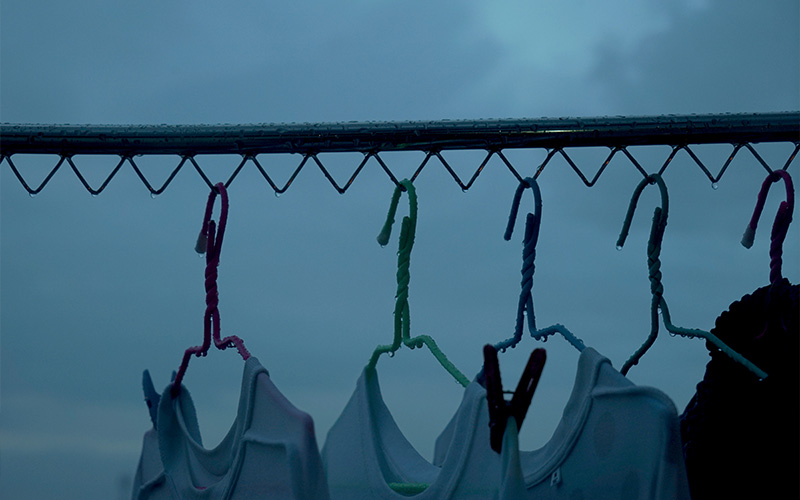
It is believed that spirits may “try on” the clothing. Bringing them back inside could bring spiritual energy into your home.
19. Don’t leave umbrellas open indoors
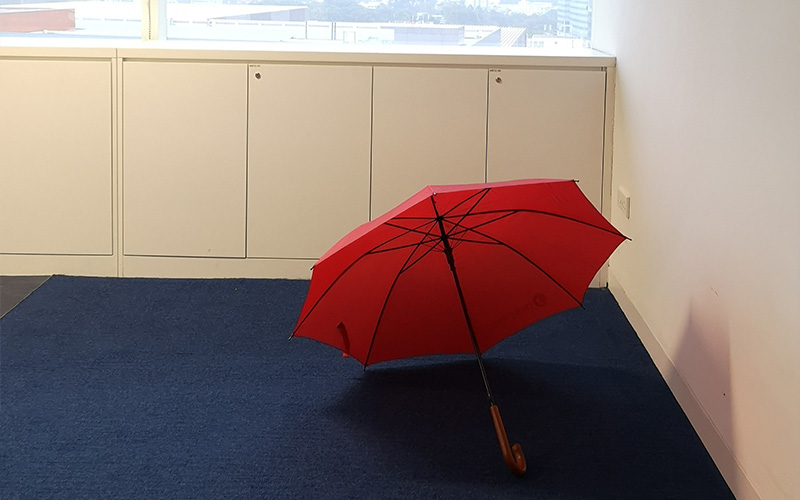
An open umbrella is said to provide shelter for wandering spirits. Keeping them closed indoors avoids uninvited guests.
20. Refrain from swearing or mocking spirits
Mockery or disrespect may anger wandering souls, leading them to follow or curse the offender. Maintaining respect is key.
FAQs
Q1: Why are these superstitions important?
They are rooted in cultural beliefs that aim to show respect for spirits and maintain safety during the Hungry Ghost Festival.
Q2: Do I need to believe in these superstitions?
Not necessarily. Many people follow them out of tradition and respect, even if they don’t believe in spirits.
Q3: Is it dangerous if I break one of these taboos?
It depends on personal beliefs. However, most see it as inviting bad luck or disrespecting cultural practices.
Q4: Who should be most careful during the Hungry Ghost Festival?
Pregnant women, children, and those who are believed to have weaker “yang” energy are often cautioned most.
Conclusion
The Hungry Ghost Festival is a time of respect and remembrance. While some may view these superstitions as old-fashioned, they remain deeply rooted in cultural tradition. By following these practices, you not only avoid potential misfortune but also show respect to spirits and the customs of your community.
